1. District Comparative Breakdown: Choosing Your Location
Visitors to the Archaeological Area of Nora face four primary geographical options for their overnight basecamp. Each zone presents sharply distinct advantages regarding transport logistics, night-time atmosphere, and pricing tiers:
Zone 1: Pula Village Centre (Piazza del Popolo & Old Town)
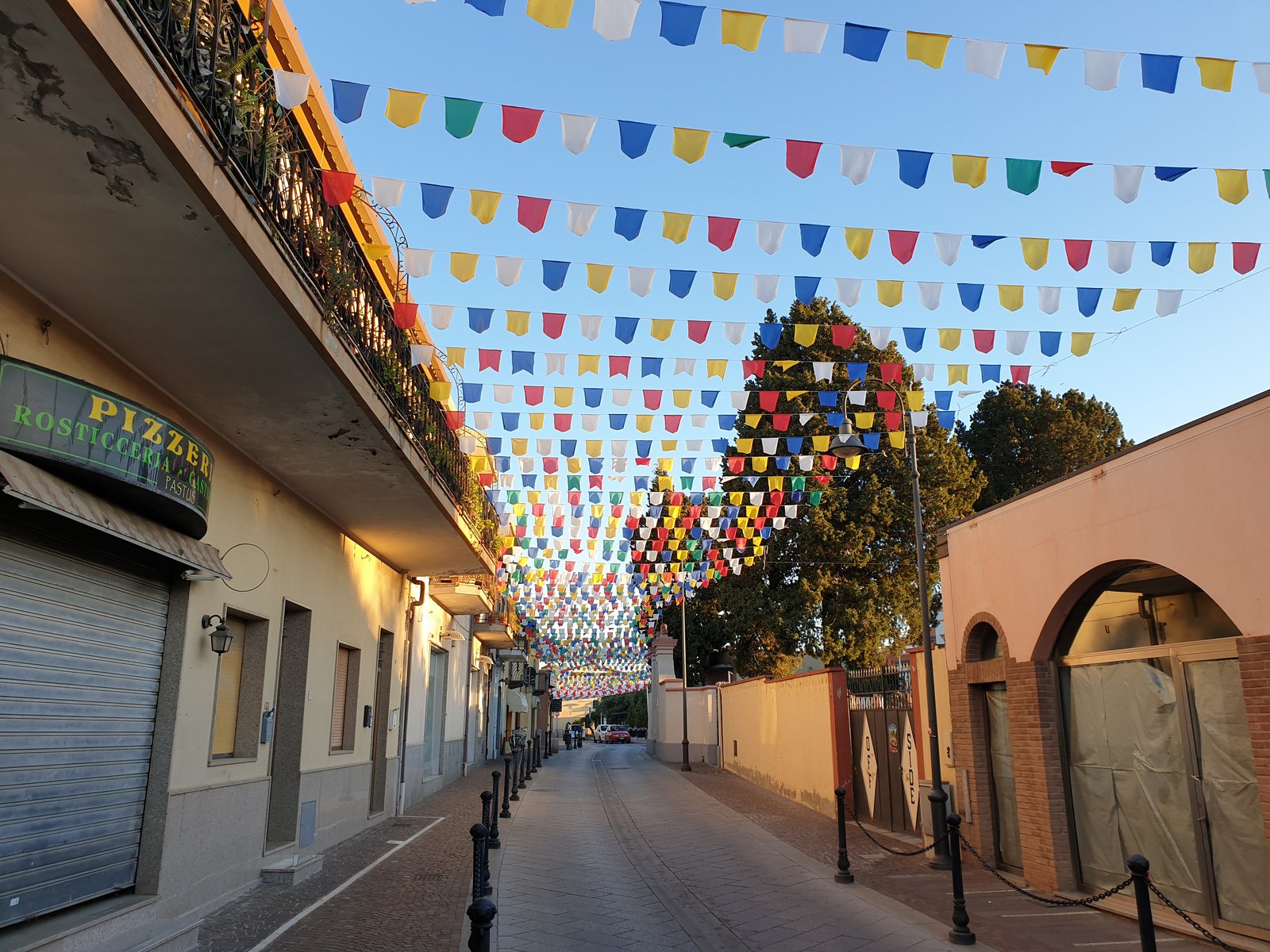
The Strategic Choice for Car-Free Travelers: Staying within the historic center of Pula provides direct access to ARST bus stops (Line 129), grocery stores, pharmacies, bike rental shops, and dozens of evening trattorias. During summer months, Piazza del Popolo is closed to vehicle traffic, hosting live music and artisan craft markets.
Logistics: 2.8 km to ruins · Serviced by summer Pollicino shuttle every 25 mins · Typical rate: €85–€150/night.
Zone 2: Baia di Nora & Promontory Coastline
The Closest Proximity to the Ruins: Situated along the coast directly flanking the archaeological park gate. A handful of historic beachfront hotels and private villas allow guests to walk into the ruins at opening time before tour buses arrive, and swim directly beneath the Spanish watchtower in the afternoon.
Logistics: 300–800 m to ruins · Direct beach access · Evening dining limited to hotel venues · Typical rate: €160–€320/night.
Zone 3: Santa Margherita di Pula (Pine Forest Villas)
The Shaded Family Retreat: Extending for five kilometres southwest of Pula, this corridor consists of residential villa communities embedded inside dense maritime pine forests (pineta). Highly peaceful and protected from intense midday sun, but requiring a rental car to access restaurants and archaeological sites.
Logistics: 7–12 km to ruins · Car essential · Weekly holiday villa rentals · Typical rate: €120–€240/night.
Zone 4: Chia & Domus de Maria (Dunes & Luxury Resorts)
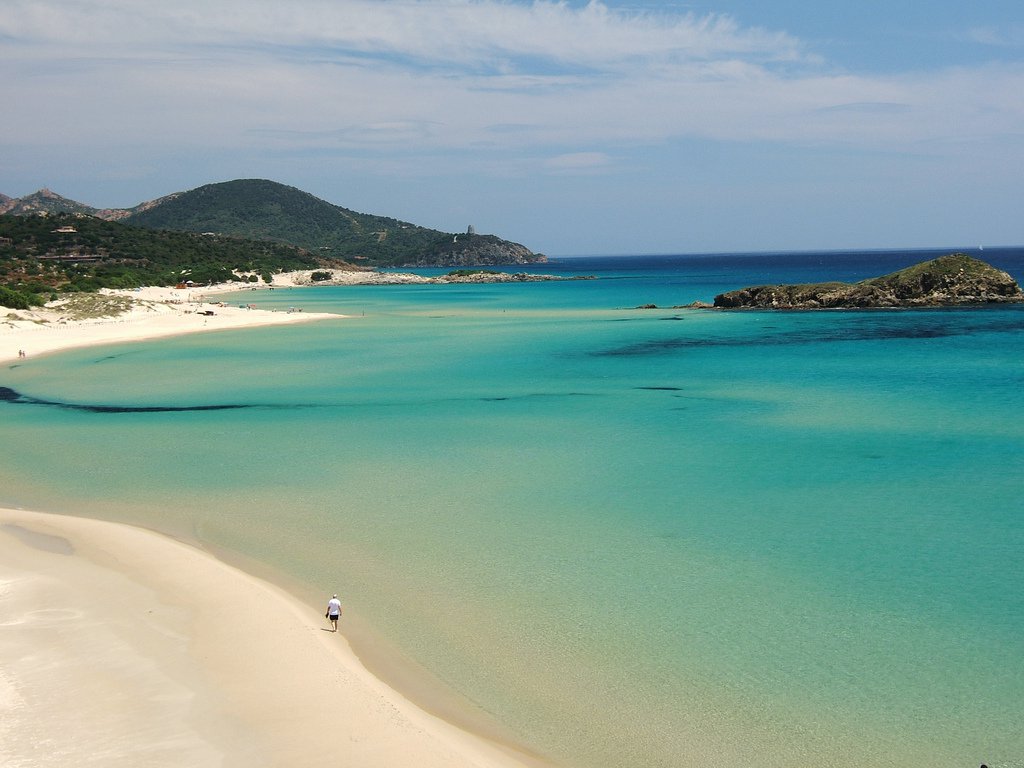
The Prestige Coastal Paradise: Home to Sardinia's most famous sand dunes (Su Giudeu and Cala Cipolla). Accommodations range from countryside agriturismi producing olive oil to high-end eco-resorts with championship golf facilities.
Logistics: 15–18 km to ruins · Car highly recommended · Prime beach territory · Typical rate: €180–€450+/night.
2. Seasonal Booking Tactics & Price Bands
The hospitality market across Southern Sardinia follows extreme seasonal pricing fluctuations:
- Low Season (November – March): Many beachfront resorts close, but town-center B&Bs in Pula operate year-round with rates between €50 and €80 per night. Excellent window for dedicated archaeological researchers.
- Shoulder Season (April – June, September – October): The sweet spot for travel. Daytime temperatures hover between 22°C and 28°C, hotel capacity is ample (€80–€140/night), and sites can be explored without intense heat.
- Peak Season (July – August): High demand driven by Italian national holidays. Booking at least three to four months in advance is required, with beachfront properties reaching €200–€400+ per night.
3. Countryside Agriturismi & Sustainable Rural Retreats
For travelers seeking immersive cultural lodging beyond standard coastal hotels, the agrarian valleys stretching inland between Pula and Domus de Maria host certified Agriturismi (farm-stay estates). These working rural properties offer private guest apartments amidst olive groves, citrus orchards, and vineyards.
Staying at an agriturismo typically includes authentic home-cooked multi-course dinners (cena tipica) prepared entirely with on-farm ingredients: hand-pulled culurgiones, wood-fired porceddu, organic garden vegetables, and carafes of deep Carignano wine. Rates average €75 to €110 per person per night including half-board (breakfast and dinner), delivering exceptional value and genuine Sardinian hospitality.