1. La Notte dei Poeti (The Night of the Poets) — 44th & 45th Editions
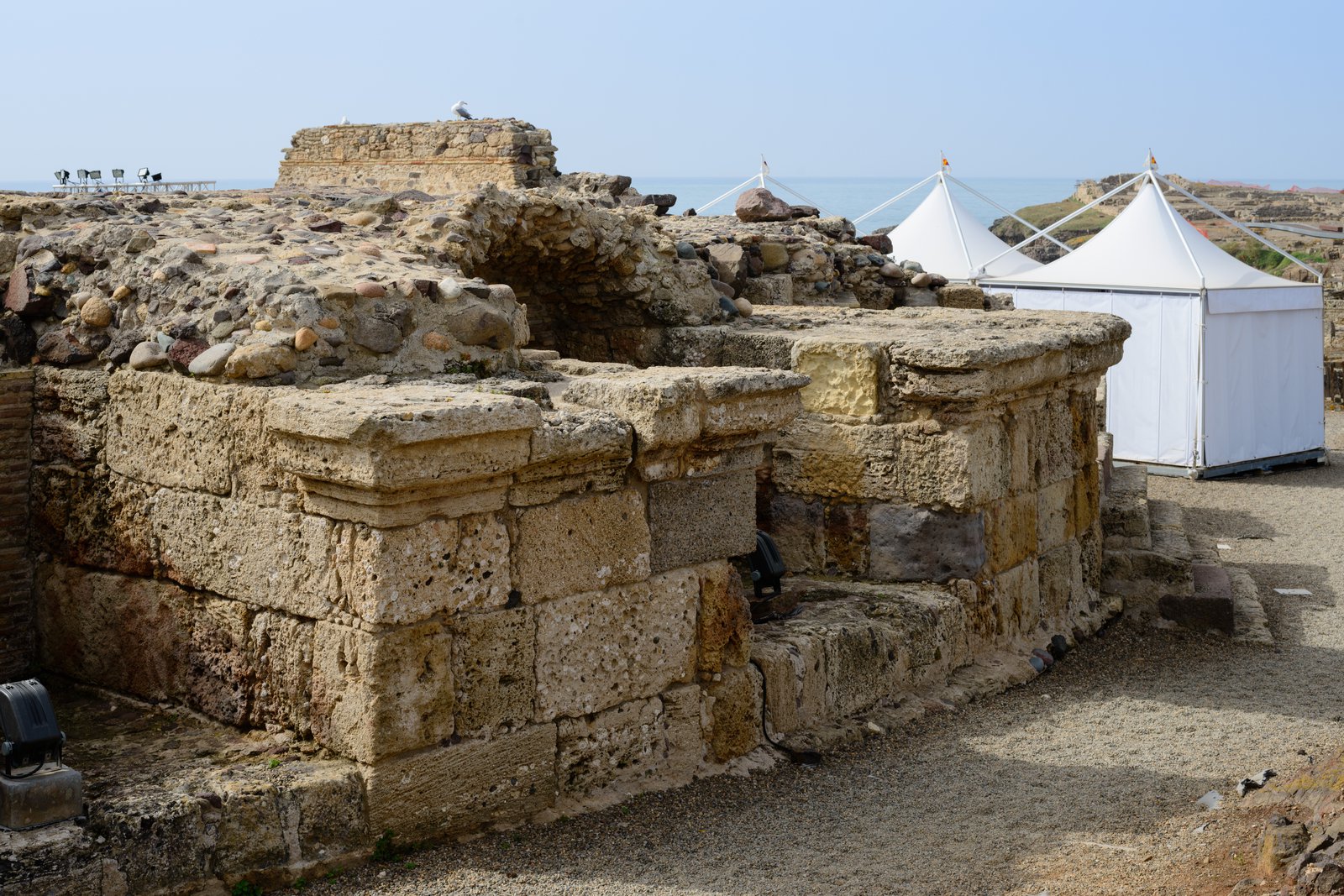
Founded in 1982 by the regional theatrical circuit CeDAC (Centro Diffusione Attività Culturali), La Notte dei Poeti is one of Italy's most prestigious open-air classical theatre festivals. Spanning three to four weeks every July, the festival stages classical Greek tragedies, Latin verse, contemporary prose readings, and interpretive dance directly within the semicircular cavea of the 1st-century AD Roman Theatre of Nora.
What makes attending a performance here unrepeatable in mainland Europe is the sensory convergence: as darkness falls over the Golfo degli Angeli, the low stage allows actors' voices to carry over the natural acoustic reflection of the calm sea, accented by the subterranean ceramic acoustic urns (dolia) buried beneath the orchestra floor. The scent of wild maritime sea-fennel and pine wafts across the stone tiers as stars illuminate the ancient columns.
Practical Information for Festival Attendees
- Performance Timing: Shows typically commence at 20:00 (sunset aperitif performances) or 21:30 (main evening spectacles).
- Seating Comfort: Spectators sit on historic volcanic stone tiers. Wooden seat pads are distributed at the gate, but bringing a personal compact cushion is strongly advised.
- Ticketing: Managed via BoxOffice Sardegna (boxofficesardegna.it). Single performance tickets range from €15.00 to €25.00. Booking at least 10 days in advance is essential as capacity is strictly capped at 450 seats to protect the monument.
2. Festa di Sant'Efisio: Europe's Grandest Pilgrimage (May 1–4)
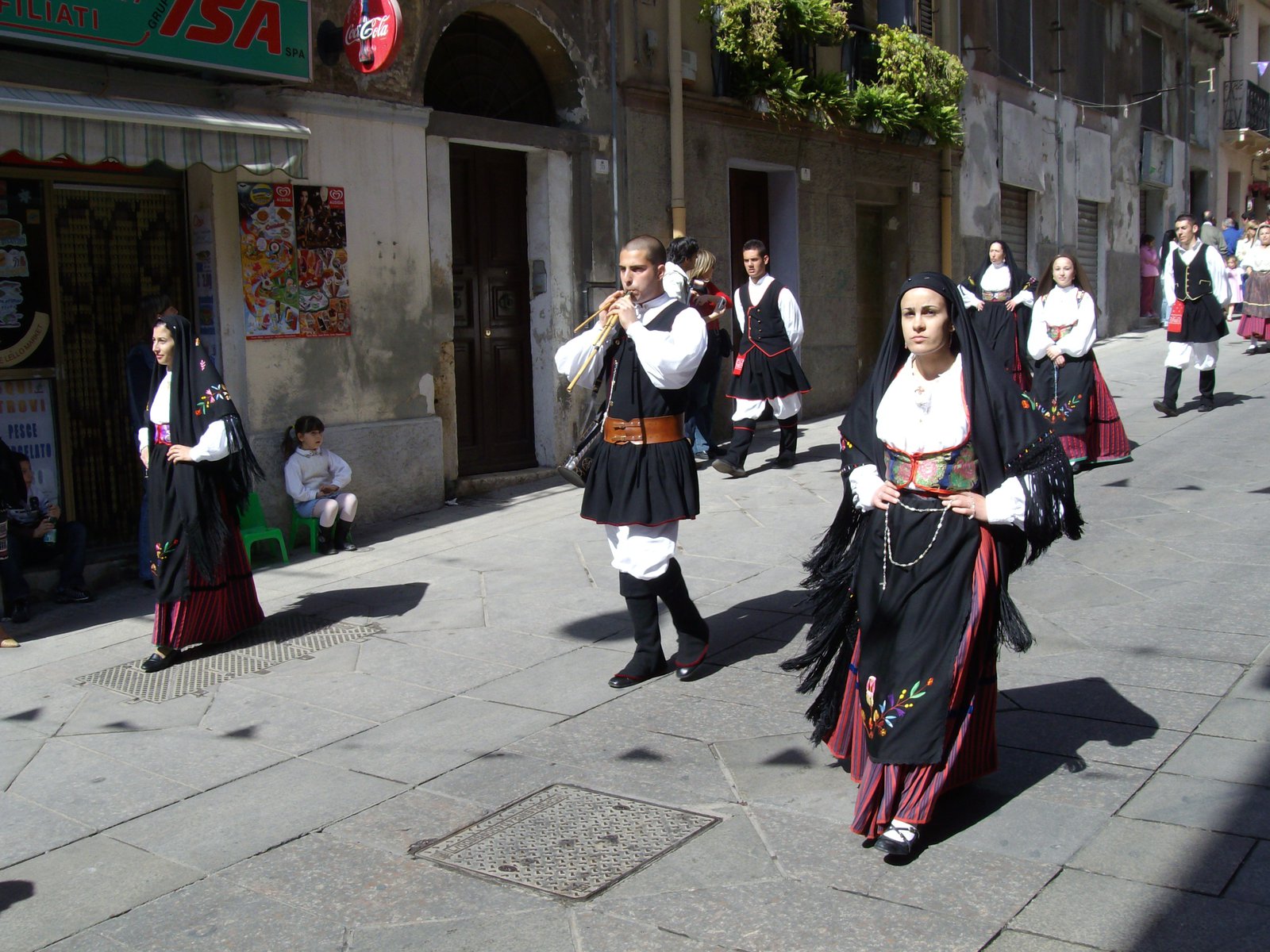
The Festa di Sant'Efisio is not a staged tourist folklore show; it is an authentic 370-year-old civic vow sworn in 1652 during a devastating bubonic plague outbreak that decimated half of Cagliari. The municipal council promised the saint that if the epidemic ceased, the city would carry his statue in solemn annual pilgrimage across thirty-eight miles to the exact beach at Nora where he was martyred. The plague abruptly lifted, and the vow has been faithfully honored every single year without exception.
The procession unfolds across four distinct ceremonial days:
- May 1 (Departure from Cagliari): The grandest ceremonial display in the Mediterranean. Over 3,000 participants representing 100 Sardinian villages march in exquisite hand-embroidered traditional attire, preceded by decorated ox-carts (traccas), 200 horsemen from Campidano and Barbagia, and musical players performing polyphonic melodies on the launeddas (ancient triple-reed pipes).
- May 2 (Arrival at Nora): The gilded 17th-century carriage arrives in Pula at mid-day. In the evening, the saint is transported to the small Romanesque church directly on Spiaggia di Nora, where an emotional twilight torchlit procession walks along the ancient Roman ruins.
- May 3 (Pilgrimage & Masses): Masses are celebrated inside the seaside church, while families picnic on the beaches and surrounding pine groves.
- May 4 (Return Journey): The saint returns to Cagliari under torchlight, entering the capital near midnight to the sounding of ship sirens in the harbor.
3. International Nora Jazz Festival (August)
During the warm Mediterranean evenings of August, the archaeological park transitions to the rhythms of the International Nora Jazz Festival. Hosted in collaboration with the Fondazione Pula Cultura Diffusa, the boutique festival features intimate acoustic performances by world-class European and transatlantic jazz trios, saxophonists, and vocalists.
With performances scheduled at 21:00 beneath subtle warm lighting designed to leave the ancient sandstone silhouettes untouched, tickets typically include an opening tasting of DOC Carignano del Sulcis and Cannonau wines paired with local goat pecorino cheese produced in the mountains of Domus de Maria.