1. Solar Exposure & Hydration Protocols
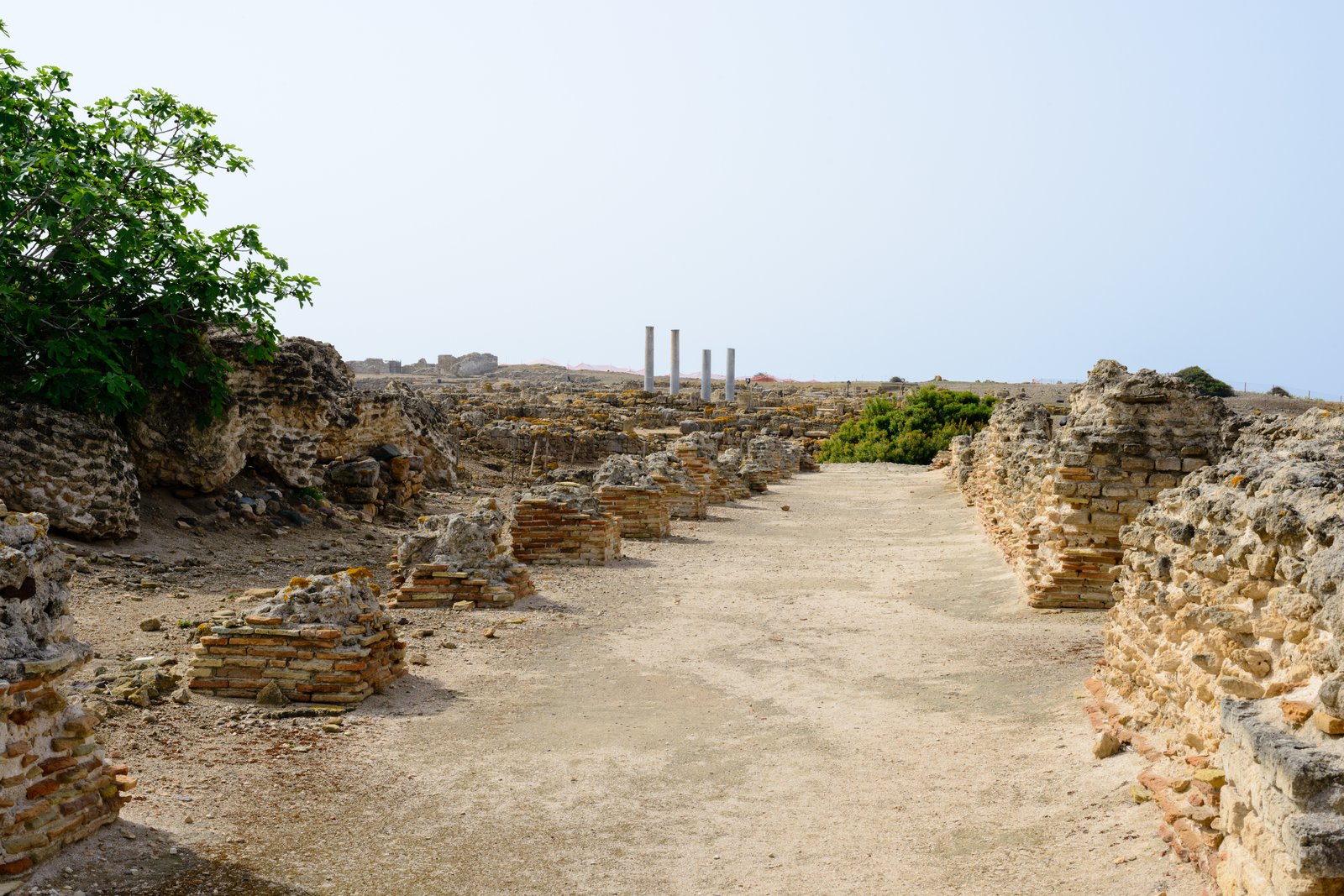
The single most frequent visitor error at Nora is underestimating thermal solar exposure. The excavation site extends across an exposed, treeless headland extending into the sea. Natural shade within the 5-hectare archaeological area is virtually non-existent; the forum, Roman theater, residential quarters, and thermal baths are completely open to direct overhead radiation.
Furthermore, the surrounding seawater and light-colored sandstone paving stones create intense secondary UV reflection. During June, July, and August, ground-level temperatures regularly surpass 36°C (97°F) between 12:00 and 16:30.
Mandatory Field Gear Checklist:
- Hydration: Bring at least 1.5 litres of water per person. There is a potable water fountain near the ticket pavilion at the park entrance, but no water outlets exist within the perimeter ruins.
- Sun Protection: Broad-brimmed hats, polarized UV400 sunglasses, and broad-spectrum SPF 50+ mineral sunscreen applied prior to entry.
- Visiting Hours Strategy: Plan site entry either at opening (08:30–10:30) or during the golden hour (17:00–19:30). Midday visits are physically arduous and produce harsh photographic shadows.
2. Footwear & Terrain Dynamics
Walking through Nora entails navigating 2,000-year-old Roman streets (decumani) paved with irregular blocks of local volcanic trachyte and pink granite, interrupted by gravel footpaths, low stone sills, and exposed sewer conduits.
Footwear Warning: Flip-flops, smooth-soled fashion sandals, open espadrilles, and high heels are dangerous on this terrain. The ancient stones have been smoothed by centuries of foot traffic and sea salt exposure, becoming remarkably slippery. Sturdy closed-toe walking shoes or trail runners with high-traction rubber soles are essential to prevent ankle rolls and slips.
3. Italian Heritage Laws: Conservation & Drone Prohibitions
The Archaeological Area of Nora is a protected national monument subject to the strict provisions of the Italian Cultural Heritage and Landscape Code (Codice dei Beni Culturali e del Paesaggio, D.Lgs. 42/2004):
- Mosaic Preservation: Visitors must strictly remain on designated raised wooden boardwalks and packed gravel pathways. Walking directly across ancient mosaic tesserae or climbing upon ruined walls is illegal and subject to immediate eviction and municipal fines.
- Artifact Removal: Collecting, pocketing, or moving pottery shards, marble fragments, or sea-washed terracotta is a federal crime in Italy. Baggage may be inspected at the exit gate.
- Drone Operations (UAV): Operating recreational camera drones over Nora is strictly prohibited without prior written authorization from ENAC (Civil Aviation Authority) and the Soprintendenza Archeologia. Violations result in equipment confiscation by the Carabinieri and severe legal penalties.
4. Medical Emergency, Guardia Medica & Marine Fauna Safety
While Capo di Pula is a secure, peaceful destination, travelers should memorize local civic health coordinates and marine wildlife precautions:
Civic Healthcare Infrastructure:
- Guardia Medica di Pula (After-Hours Clinic): Located at Via Nora 16, Pula. Operates on weekdays from 20:00 to 08:00, and 24 hours on weekends and public holidays (+39 070 924401).
- Farmacia Comunale Pula: Corso Vittorio Emanuele 11, stocked with sun relief creams, antihistamines, rehydration salts, and first-aid supplies.
- Emergency Response: Dial 112 for immediate ambulance, Carabinieri, or Maritime Fire Rescue.
Marine Jellyfish & Sea Urchin Notice: The clear rocky shoreline near the Roman breakwaters occasionally attracts the purple-striped jellyfish (Pelagia noctiluca) when strong southeasterly Scirocco currents blow. Wearing protective neoprene water shoes is recommended when wading among the tidal rock pools to prevent stepping on black sea urchins (ricci di mare) wedged into the porous volcanic stones.