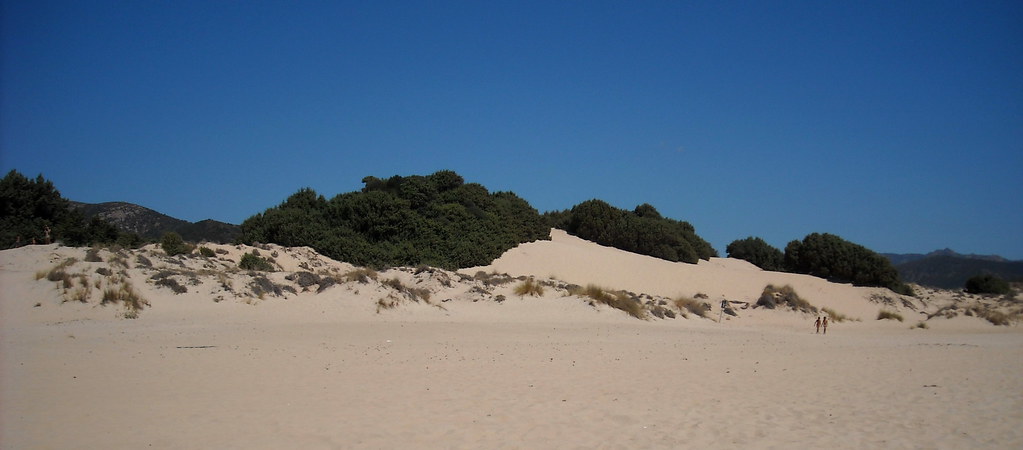
1. The Wind Mechanics of Capo di Pula: Mistral vs. Scirocco
The geography of Nora is fundamentally governed by wind. The ancient Phoenicians selected this specific hammer-headed peninsula in the 8th century BC precisely because its dual bays offer maritime shelter regardless of the prevailing Mediterranean wind direction:
- The Maestrale (Mistral - Northwesterly): The predominant wind in Sardinia, sweeping down from the Rhone Valley across the western Mediterranean. When the Maestrale blows at 20 to 35 knots, western open beaches such as Chia and Porto Pino experience rough surf, strong undertows, and blowing sand. However, the eastern side of the Capo di Pula peninsula (where the archaeological ruins and Spiaggia di Nora are located) sits in the direct wind shadow of the mountain ridge, leaving the water surface glassy, calm, and crystalline.
- The Scirocco (Southeasterly): Originating in North Africa, the Scirocco brings warm, humid air masses laden with fine Saharan dust. It creates choppy surf in the Baia di Nora while smoothing out western coves such as Cala Cipolla.
- The Thermal Sea Breeze (Il Maestralino): On calm summer days without synoptic pressure fronts, a thermal onshore breeze establishes itself around 11:30, blowing at 8–14 knots and providing natural cooling along the coastal boardwalks until dying down at sunset.
| Season / Month | Avg Daytime Temp | Sea Temp | Rainfall Days | Field Rating |
|---|---|---|---|---|
| Spring (Apr–May) | 20°C – 24°C | 16°C – 19°C | 3–4 days | Optimal (Wildflowers & Fresh Air) |
| Early Summer (June) | 27°C – 31°C | 22°C – 24°C | 1–2 days | Prime (Long Days, Moderate Crowds) |
| High Summer (Jul–Aug) | 32°C – 36°C | 25°C – 27°C | 0–1 days | Demanding Heat (Visit at 08:30) |
| Autumn (Sep–Oct) | 24°C – 28°C | 23°C – 25°C | 3–5 days | Exceptional (Warm Sea, Low Heat) |
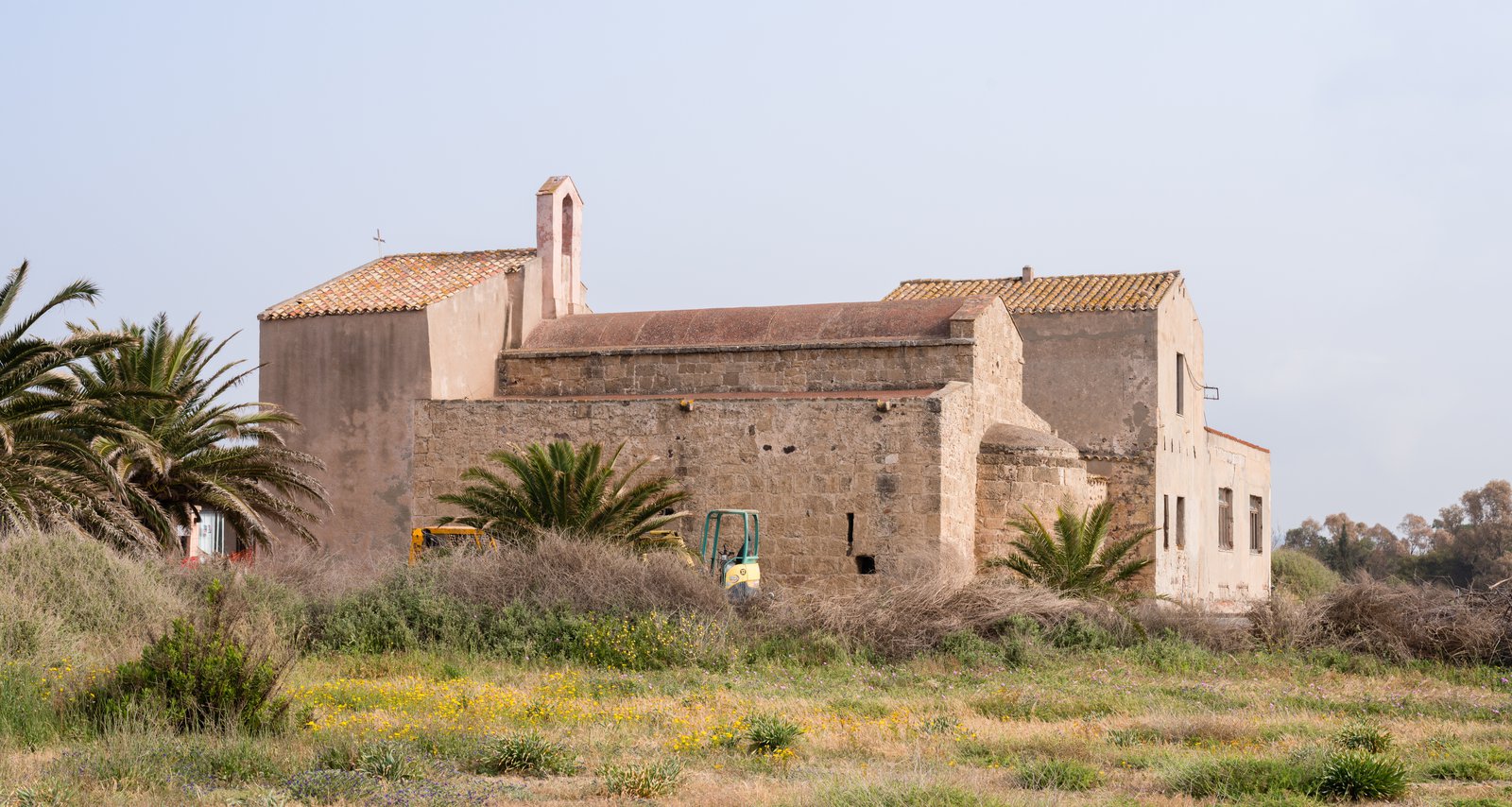
2. Optimal Field Observation Windows
For serious photographers, archaeologists, and travelers seeking to absorb the historical resonance of Nora without heat exhaustion, the daily schedule matters far more than the month on the calendar:
- The Morning Opening Slot (08:30 – 10:30): The lowest thermal load of the day, with low-angled eastern sunlight illuminating the Roman theater and seaside mosaics without creating harsh shadows. Tour coaches from cruise ships docked in Cagliari typically do not arrive before 10:45.
- The Sunset Twilight Slot (17:30 – 19:30): As the sun sinks behind the Sulcis mountain range, the ancient pink granite forum slabs take on a warm golden glow, and the sea breezes drop, leaving the submerged Roman docks clearly visible beneath the glass-like water.
3. Winter Expeditions & The Off-Season Allure (Nov – Feb)
While summer commands mass tourist volumes, southern Sardinia in winter possesses a stark, contemplative beauty. Daytime temperatures average a crisp 14°C to 17°C with frequent brilliant sunshine under azure skies. During winter, the archaeological ruins of Nora are virtually deserted; visitors can wander through the Roman theater, forum, and patrician domus with only the sound of crashing waves and crying gulls.
Winter rainfall arrives in fast-moving frontal bands rather than persistent gray drizzle. Following rainstorms, the Mediterranean macchia scrub surrounding Capo di Pula releases aromatic oils of wild myrtle, rosemary, lentisk, and lavender. In the hills above Pula, winter is the peak season for wild mushroom foraging (porcini and ovoli) and olive oil pressing at regional mills (frantoi).